Chemical peels · Ellicott City
A peel prescribed for your skin.
Free consultation by video or phone.
What would you like a peel to improve?
Pick as many as you like.
Results
What results look like
Most plans run three to six peels, spaced about four weeks apart. Many patients notice brighter, smoother skin within about a week of a single peel, with pigment and texture improving further across the series.

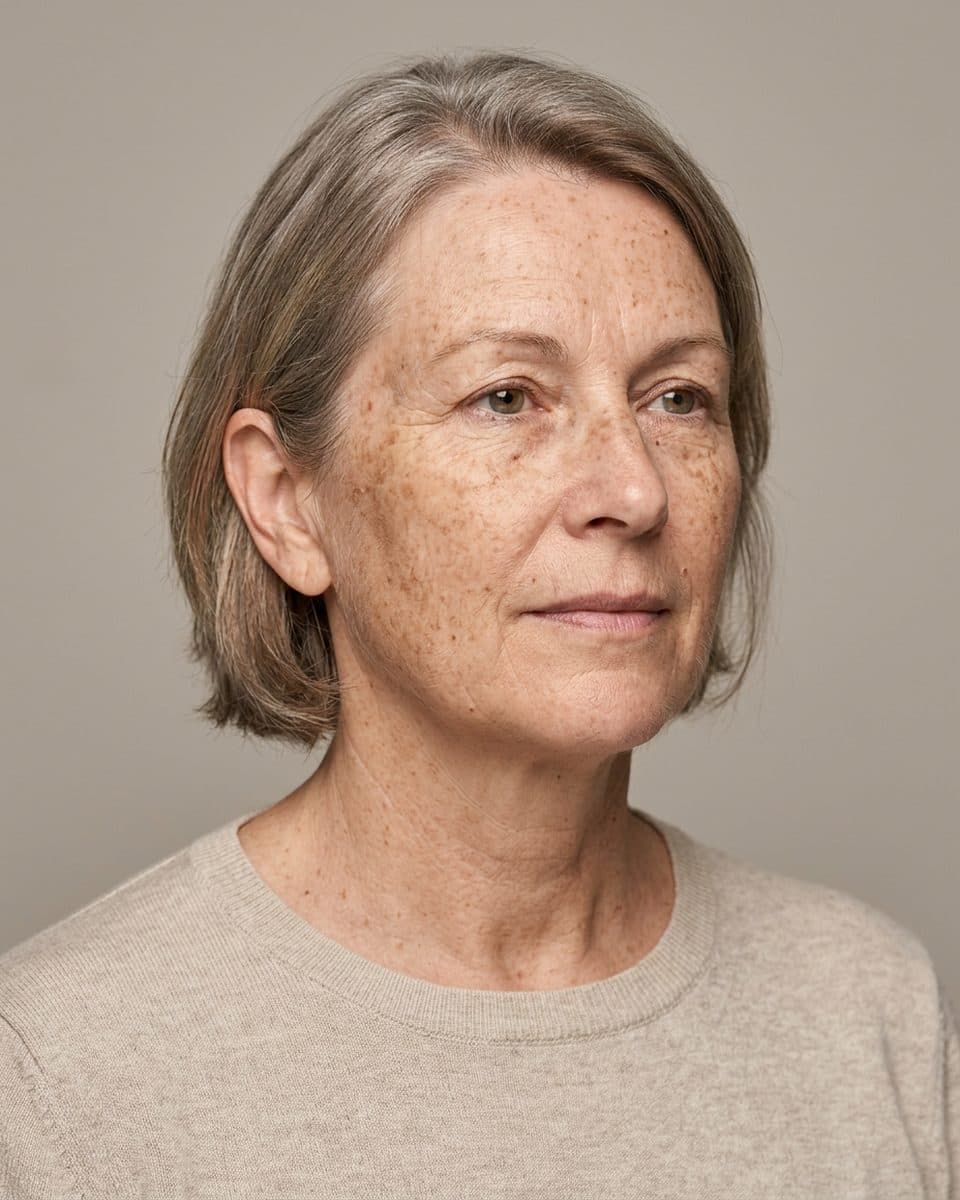
Fewer visible sun spots after a peel series, illustrativeIllustrative example of a typical result. Individual results vary. Real patient photos shared at consultation.
30–45 min
Typical in-office treatment time
2–14 days
Flaking to peeling, depending on depth
3–5
Peels in a typical superficial-peel series
Sources (4)
- Chemical peels overview, American Academy of Dermatology
- Chemical peels FAQs (downtime, sun avoidance and repeat timing by depth), American Academy of Dermatology
- Chemical peels for sun-damaged skin, American Society for Dermatologic Surgery
- Monthly average UV Index maps, 2006–2023, U.S. Environmental Protection Agency
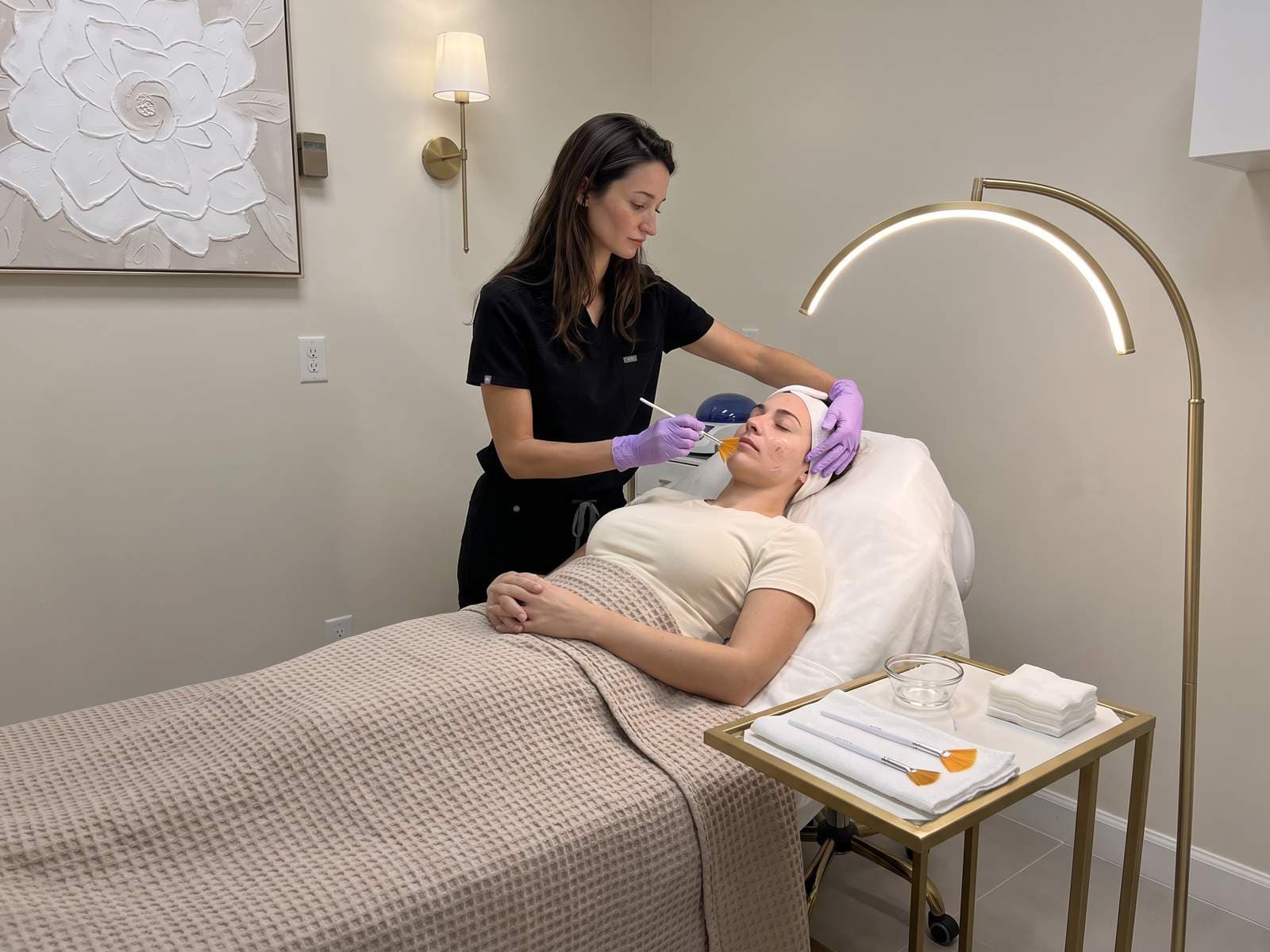



Your aesthetics nurses
Stacey, RN · Jessica, RN · Elena, LPN
What patients say
Med spa · Ellicott City
Chemical peels in Ellicott City, prescribed for your skin
Planned under the protocols of Dr. Mohamad Zanbrakji, a board-certified surgeon, and delivered by our own licensed nurses in our suite on Route 40.
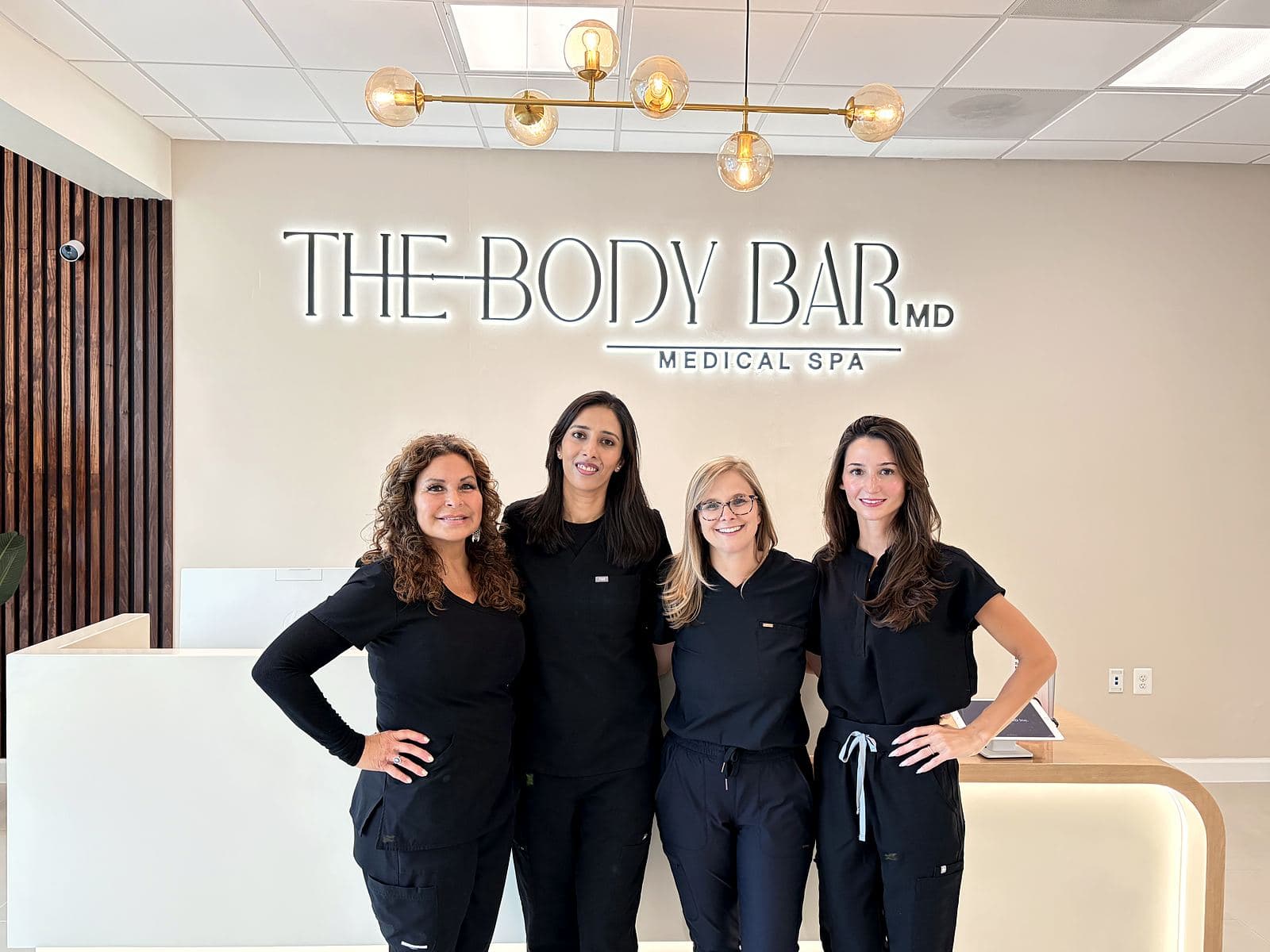
The essentials
What is a chemical peel?
A chemical peel is a controlled application of exfoliating acids (such as glycolic, salicylic, lactic, or TCA) that removes damaged outer layers of skin and triggers fresh cell turnover. Medical-grade peels range from superficial to medium depth and are customized to treat acne, hyperpigmentation, sun damage, fine lines, and uneven texture.
A peel should be chosen the way a prescription is: after someone qualified has studied your skin.
At The Body Bar MD in Ellicott City, our Facial Chemical Derma Peel is selected under physician guidance and matched to your skin type, your concern, and how much downtime your life actually allows.
ConsultFree, by video or phone
A no-obligation conversation about your skin and your goals, by video or phone.
How pricing works →Feels likeWarmth, then a mild sting
Most patients feel warmth and tingling for a few minutes as the solution is applied, then it settles.
Time30–45 minutes
One visit covers skin analysis, application, and neutralizing, start to finish.
DowntimeA few days to 2 weeks, by depth
Superficial peels bring light flaking for a few days; medium-depth peels bring visible peeling for about seven to fourteen days.
Series3–6 peels
Spaced about four weeks apart for progressive concerns like acne, melasma, and texture.
Skin tonesSafe with the right selection
The wrong acid or depth can affect melanin-rich skin. Careful, physician-guided selection protects your pigment.
Peels for deeper skin tones → Medically reviewed by Dr. Mohamad Zanbrakji, MDBoard-Certified in General Surgery & Surgical Critical Care
Every quote starts with a free consult, by video or phone.
How pricing works
Chemical peel cost in Ellicott City
Priced by the peel selected and whether it's a single treatment or a series. Your exact plan and quote come in writing at your free consult, before anything begins.
Free video or phone consult
No obligation to treat. It is where your plan starts.
A deposit holds your treatment slot
It comes off your treatment, and is refunded if you cancel at least 24 hours ahead. The consult itself needs no deposit.
Priced by peel and depth
Your formulation, depth, and series length set the price, confirmed in writing before you begin.
Patient financing through Cherry, a separate company. Applying has no impact to your credit.
Chemical peels are cosmetic, so insurance does not cover them. How pricing works
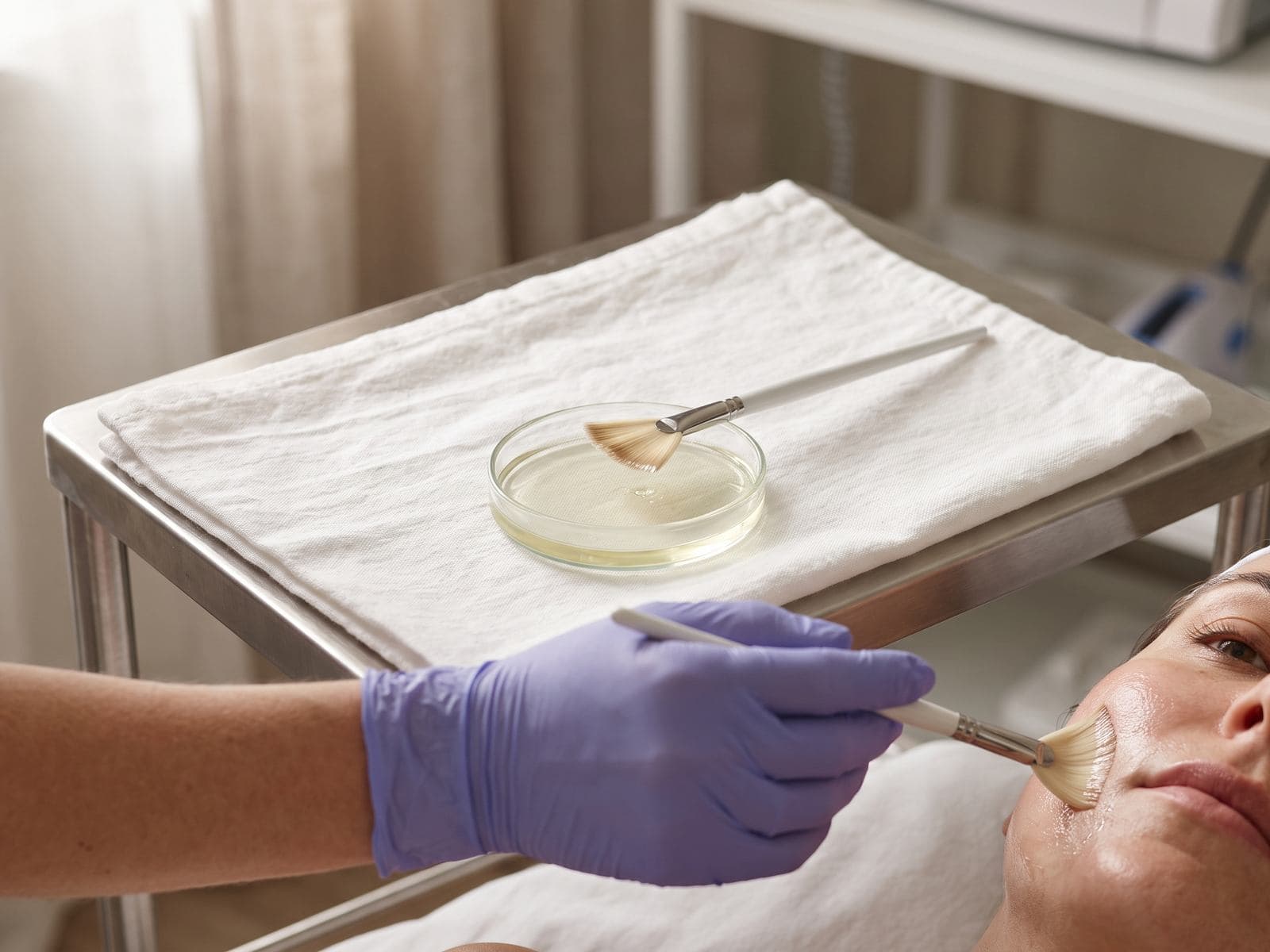
Our approach
Physician-guided acid selection
Glycolic, salicylic, lactic and TCA acids, alone or blended, are chosen to match your skin type, tone and concern, then applied at a depth that is a deliberate medical decision, not a default setting. Your skin is monitored throughout, and the peel is neutralized at precisely the right moment.
- Glycolic, salicylic, lactic & TCA
- Superficial to medium depth
- Selected for your skin tone
- Physician-guided selection
How a chemical peel works
Glycolic, salicylic, lactic and TCA acids, alone or blended, exfoliate the outer skin layers to different depths. Your consultation matches the acid, the blend and the depth to your skin type and concern, then monitors your skin during application and neutralizes the peel at precisely the right moment.
Is it for you?
Who is a good candidate for a chemical peel?
The right peel isn't the strongest one on the shelf. It's the one chosen for your skin.
Tap the one that sounds like you.
Breakouts, clogged pores, or post-acne marks
Skincare alone hasn't cleared it
You're dealing with breakouts, clogged pores, or post-acne marks that your skincare routine can't clear. Salicylic-based peels penetrate oil and unclog pores, while controlled resurfacing smooths the marks breakouts leave behind.
Melasma, sun spots, or uneven pigment
What makeup never fully hides
You have melasma, sun spots, or uneven pigment that makeup never fully hides. Peels lift away pigmented, sun-damaged cells to help fade these marks and even your tone over a series.
Chemical peels for deeper skin tones
Selection matters more than strength
The wrong acid or depth can leave melanin-rich skin with post-inflammatory hyperpigmentation, which is why peel selection matters more than peel strength. Your consultation chooses a pigment-safe formulation and depth for your skin, and we'll say so honestly if a peel isn't the right tool for your concern.
When to talk to us first
Pregnancy, active infection, recent isotretinoin
Peels are postponed or avoided during pregnancy and breastfeeding, over active skin infections or cold sores in the treatment area, and for patients who have recently taken isotretinoin. Your consultation screens for all of these first.
The honest answer requires a conversation. Every plan at The Body Bar MD begins with a medical assessment, and if a chemical peel isn't the right tool for your goal, we'll tell you what is. Browse every concern we treat.
Often considered alongside a chemical peel: the GLACÉ facial, microneedling and laser skin rejuvenation.
What to expect
Your treatment, step by step
Do
- Come to your session with clean, makeup-free skin
- Pause retinoids and exfoliating acids beforehand, as advised at consult
- Wear SPF daily after, especially while flaking or peeling
Skip
- Picking at flaking or peeling skin
- Waxing or hair removal in the treated area right before
- Direct sun, sauna, or hot yoga right after
- 01
Consultation & skin analysis
Your skin, history and goals reviewed under proper lighting.
- 02
Preparation
Retinoids and exfoliating acids paused beforehand, as advised.
- 03
The peel
Cleansed, degreased skin gets the solution in controlled layers.
- 04
Recovery & aftercare
Light flaking to peeling settles over a few days; SPF is daily.
- 05
Series & maintenance
3 to 6 peels, about 4 weeks apart, tracked with photos.
Full step-by-step details
Consultation & skin analysis
We review your health history, medications, and skin type, then examine your skin under proper lighting. You leave knowing which peel we recommend, why, what the downtime looks like, and exactly what it costs.
Preparation
Depending on your peel, we may have you pause retinoids and exfoliating acids for several days and skip waxing or hair removal in the treatment area. Pigment-prone skin sometimes gets a short priming regimen first.
The peel
Your skin is cleansed and degreased, then the solution is applied in controlled layers. You'll feel warmth and tingling for a few minutes. We monitor your skin throughout and remove or neutralize the peel at precisely the right moment.
Recovery & aftercare
Superficial peels leave you glowing with light flaking for a few days; medium-depth peels bring visible peeling for about seven to fourteen days. Daily SPF is mandatory, and we send you home with simple written aftercare, including the rule that matters most: don't pick.
Series & maintenance
Mild, progressive concerns like early texture and dullness respond well to a series of three to five superficial peels, spaced roughly two to five weeks apart. Medium-depth peels, often used for more noticeable pigment, sun damage, or acne scarring, are spaced much further apart and are typically repeated every six to twelve months rather than monthly. We track your progress with photos and adjust the plan as your skin improves.
Why patients choose it
The benefits, honestly stated
Customized by concern
There is no house peel. Glycolic, salicylic, lactic, TCA blends, and retinol boosters are selected at your consultation based on your skin and your goal.
Physician-guided depth
From a no-downtime refresher to a medium-depth resurfacing peel, the depth is a deliberate medical decision, not a default setting.
Safe for deeper skin tones
The wrong peel can leave melanin-rich skin with post-inflammatory hyperpigmentation. Careful, physician-guided selection protects your pigment while still delivering results.
Fades pigment and sun damage
Peels lift away pigmented, sun-damaged cells to help fade melasma, sun spots, and post-acne marks.
Calms acne, refines texture
Salicylic-based peels penetrate oil and unclog pores, while controlled resurfacing smooths rough texture and softens the marks breakouts leave behind.
Results that build
Each peel in a series works on fresher, healthier skin than the last, so improvement compounds over a series of three to five sessions.
Compare your options
Chemical peels vs. microneedling
Chemical peels and microneedling both refine skin, but a peel works chemically from the surface while microneedling works mechanically from within. Your consultation matches the tool, or a combination staged over time, to your goal.
Compare side by side
| Chemical Peels | Microneedling | |
|---|---|---|
| How it works | Exfoliating acids dissolve and lift away damaged outer skin layers, prompting fresh cell turnover | Fine needles create controlled micro-injuries that stimulate the skin's own collagen |
| Best for | Pigment, melasma, sun spots, post-acne marks, dullness, and active breakouts | Texture, enlarged pores, fine lines, acne scars, and overall skin quality |
| Downtime | A few days of light flaking up to 7–14 days of visible peeling, depending on depth | About 24–48 hours of redness, similar to a mild sunburn |
| Results & longevity | Brighter, more even skin within about a week; a series builds it, and maintenance sustains it | Collagen builds over weeks to months; smoother texture develops across a series |
| Typical course | 3–5 superficial peels, 2–5 weeks apart; medium-depth peels are spaced months apart | 3–4 sessions spaced 4–6 weeks apart |
| Skin tone considerations | Suitable for deeper tones when the acid and depth are chosen carefully to protect pigment | Generally suitable across skin tones, though aggressive treatment still carries a pigment risk |
Neither is better: peels work chemically from the surface, microneedling works mechanically from within; some skin does best with both, staged over time.
Questions, answered
Chemical Peel FAQs
How much does a chemical peel cost at The Body Bar MD?
Your exact price depends on the formulation, the depth, and whether you're doing a single treatment or a series, so we quote it transparently in writing at your complimentary consultation. Chemical peels are cosmetic treatments and are not covered by insurance. You approve the exact price before we treat anything.
Does a chemical peel hurt?
Patients typically feel warmth, tingling, or a mild sting for a few minutes after the solution is applied, and then it settles. Superficial peels are very tolerable; medium-depth peels are more intense but brief. We monitor your skin and manage your comfort the entire time.
Are chemical peels safe for darker skin tones?
Yes, when the peel is chosen by someone who understands melanin-rich skin. The wrong acid or depth can trigger post-inflammatory hyperpigmentation, which is why peel selection matters more than peel strength. We choose pigment-safe formulations and depths for deeper skin tones, and we'll tell you honestly if a peel isn't the right tool for your concern.
Is there anyone who shouldn't get a chemical peel?
Yes. We postpone or avoid peels during pregnancy and breastfeeding, on skin with active infections or cold sores in the treatment area, and for patients who have recently taken isotretinoin. Your consultation screens for all of these before anything touches your skin.
Will my skin visibly peel, and for how long?
It depends on depth, and we'll tell you exactly what to expect before you commit. Superficial peels typically produce a glow with light flaking for a few days, while medium-depth peels bring visible peeling for about seven to fourteen days. Either way, don't pick; let the skin release on its own.
How many peels will I need, and when will I see results?
Many patients notice brighter, smoother skin within about a week of a single peel. For milder, progressive concerns, plan on a series of three to five superficial peels spaced roughly two to five weeks apart, with results building at each session. More noticeable pigment, sun damage, or acne scarring often calls for a medium-depth peel instead, and those are spaced much further apart, typically repeated every six to twelve months rather than monthly. Your consultation lays out which depth and cadence fit your skin.
How is a medical-grade peel different from a spa facial or at-home peel?
Concentration, depth, and judgment. Medical-grade peels use stronger, more effective formulations that require clinical oversight to be used safely, but the harder question isn't how strong the peel is, it's which peel your skin actually needs. There is a difference between a spa that offers a peel and a practice where a physician chooses it.
What's the difference between a superficial and a medium-depth peel?
A superficial peel works on the outermost layer of skin and suits mild dullness, fine lines, and early sun damage, with light flaking for a couple of days. A medium-depth peel reaches further into the skin and is used for more noticeable pigment, sun damage, or acne scarring, with visible peeling that runs longer. Your consultation examines your skin and picks the depth and acid blend that matches your concern, rather than applying the same depth to everyone.
Chemical peel or microneedling: which is right for me?
It depends on what you're trying to fix, not on which treatment sounds stronger. Pigment, melasma, sun spots, and active breakouts tend to point toward a peel; texture, enlarged pores, and acne scarring tend to point toward SkinPen microneedling; the comparison table on this page lines up the rest, side by side. Some skin does best with both, staged a few weeks apart, and your consultation makes that call rather than defaulting to one.
Can I combine a chemical peel with microneedling, Morpheus8, or the GLACÉ facial?
That's a decision for your consultation, not a fixed protocol. Whether and how to combine a peel with microneedling, Morpheus8, or the GLACÉ facial, and how much healing time to leave between them, depends on your skin, your goals, and how each treatment is healing. Your provider maps out that order and spacing, in writing, before anything is scheduled.
What's the best time of year to get a chemical peel?
Fall and winter are the easiest months to fit a peel or a full series into. The sun is weaker in those months, and peeled skin needs strict sun avoidance and daily SPF while it heals, so staying out of strong sun is simpler outside of a Maryland summer. A peel can still be done at any time of year with the same sun precautions, and your consultation will map your series to your calendar and how much sun exposure your routine involves.
Visit us
Chemical Peels near Columbia & Howard County
Our suite is on Route 40 at 9050 Baltimore National Pike Ste 104 in Ellicott City, Maryland, about 12 minutes up US-29 from Columbia. Patients come from across Howard County and the Baltimore corridor.
Coming from Fulton, Jessup, Sykesville or Laurel? Each town page has the route, the drive time and local notes.
New to us? Read about the practice or find quick answers in our FAQs.
Hours
- Mon, Tue, Thu, Fri 10 AM – 4 PM
- Wed & Sun 10 AM – 6 PM
- Saturday Closed
All 14 communities we serve
- Columbia
- Catonsville
- Elkridge
- Clarksville
- Fulton
- Marriottsville
- Woodstock
- Jessup
- Savage
- Laurel
- Sykesville
- Eldersburg
- Pikesville
- Owings Mills
Drive times and routes for every community we serve.
be infinite.
Renewed skin starts with a free consult.
Free video or phone consult. Your exact peel, depth, and plan come in writing before anything begins. Open Wednesdays and Sundays until 6.
Rated 5 stars on Google$50 deposit, credited to your treatment or refunded if you cancel at least 24 hours ahead.
More in facials & resurfacing